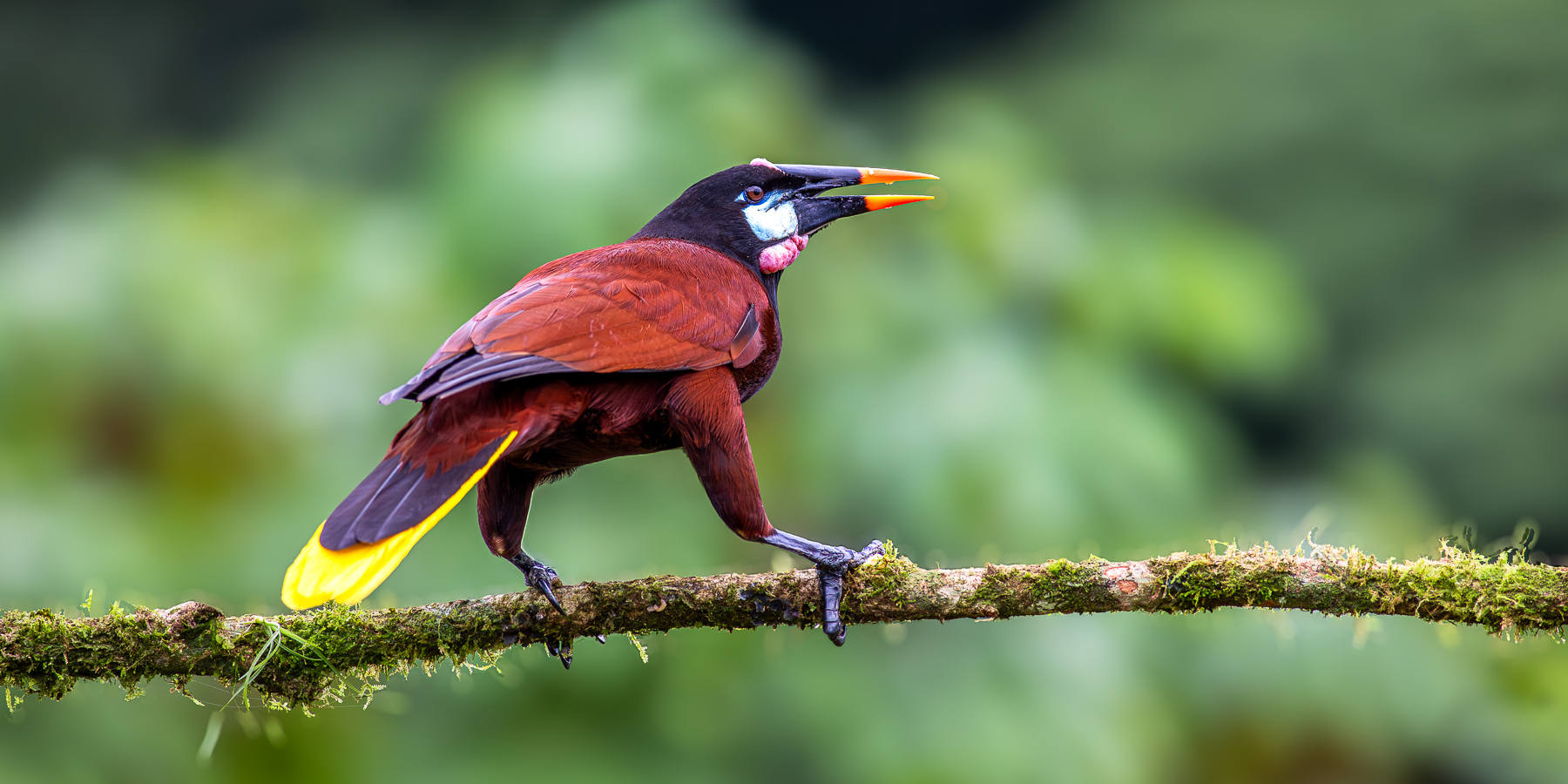

Best Morocco Birdwatching Tour: Atlas Mountains & Sahara Desert & Atlantic Coasts
Best Morocco birdwatching Tour Dates: March 8-17, 2027
Discover Morocco’s best birdwatching destinations on this unforgettable 10-day adventure through the country’s most diverse and breathtaking habitats. From the snow-capped Atlas Mountains to the golden dunes of the Sahara Desert, Morocco offers some of the richest birdlife in the Western Palearctic — a true paradise for birdwatchers and nature lovers.
Explore Morocco’s Unique Habitats
Morocco’s varied landscapes create the perfect environment for hundreds of bird species. You’ll travel through mountain ranges, steppes, semi-desert scrub, palm groves, oases, coastal wetlands, and marshes — each alive with color and song. Quiet, scenic roads lead you through stunning natural scenery, from high-altitude passes to peaceful river valleys and desert dunes.
Atlas Mountains: Alpine Birds and Stunning Scenery
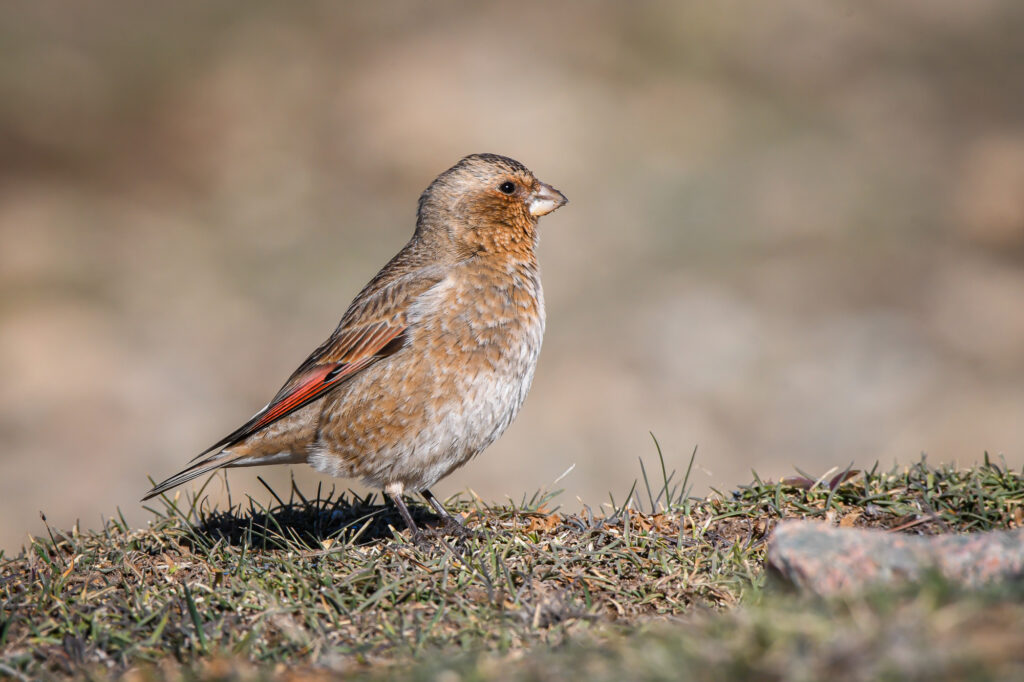
Our journey begins in southern Morocco, exploring the majestic Atlas Mountain range, where snow-capped peaks rise over 4,000 meters. As the snow melts, birds flock to the newly revealed scree slopes — including Alpine Chough, Alpine Accentor, Crimson-winged Finch, Rock Sparrow, Seebohm’s Wheatear, and the endemic Atlas Horned Lark.
Central Plateau & Hammada Plains: Larks, Wheatears & Courser Country
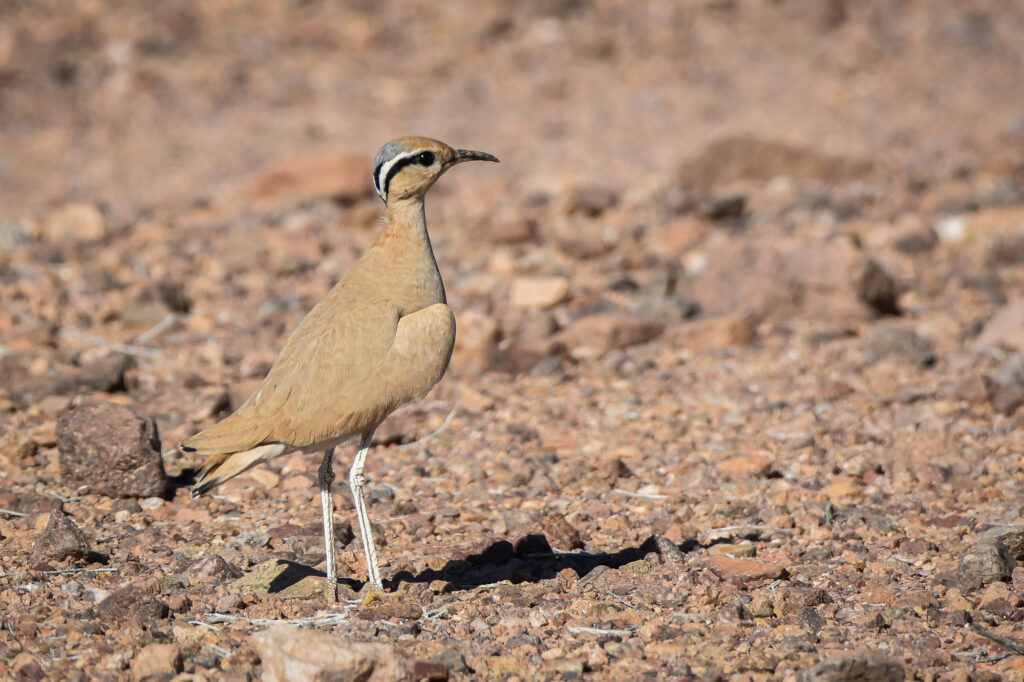
Next, we explore the hammada, Morocco’s vast stony steppe plateau. Here, wide plains and dry riverbeds (wadis) support an impressive variety of Larks and Wheatears. Look out for Hoopoe Lark, Cream-coloured Courser, Temminck’s, Horned, Thick-billed, Thekla, and Short-toed Larks. You may also spot several species of Sandgrouse — including Spotted, Crowned, Black-bellied, and Pin-tailed.
Sahara Desert & Erg Chebbi: Desert Specialists and Dune Wildlife
As we travel east, the landscape becomes more arid and the Erg Chebbi dunes rise dramatically in the distance. Palm groves and oases provide refuge for birds such as Trumpeter Finch, Desert Warbler, Bar-tailed Desert Lark, Desert Wheatear, and even migrating Blue-cheeked Bee-eaters. Among the palms, we will search for Fulvous Babbler and Tristram’s Warbler.
At the Kasbahs near the dunes, we may encounter the sought-after Desert Sparrow, and at the seasonal Lake Merzouga (when present), an abundance of waders and wildfowl such as Marbled Duck, Garganey, and Pintail.
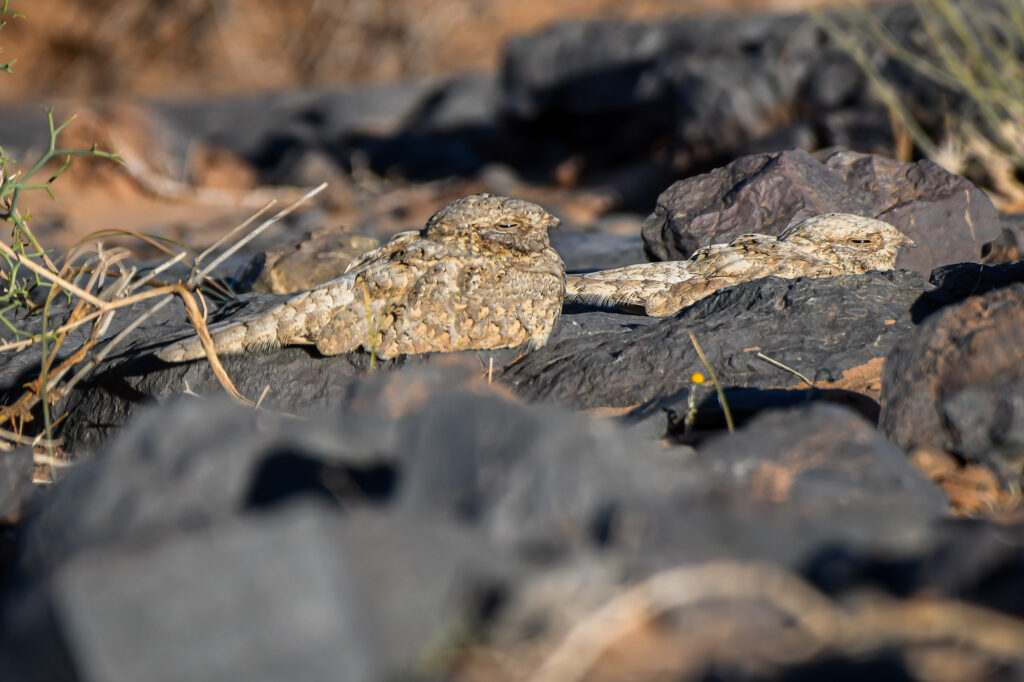
A dawn 4×4 excursion into the dunes is always a highlight — a chance to spot Spotted Sandgrouse, Crowned Sandgrouse, Desert Sparrow, Egyptian Nightjar, and more. With local guides, we often find rare desert specialists and raptors among the golden sands.
Sous Valley & Agadir Coast: Wetlands and Raptors
After leaving the desert, we head west through the Sous Valley, a fertile region rich in birdlife. Expect sightings of Moussier’s Redstart, Black-crowned Tchagra, Black-winged Kite, Shrikes, Buntings, Larks, and Storks.
From Agadir, we explore the Oued Sous Estuary, a protected nature reserve teeming with flamingos, herons, egrets, and waders. Rarer terns such as Lesser, Crested, Caspian, and Royal Tern are occasionally seen here. As dusk falls, listen for the call of the Red-necked Nightjar.
Oued Massa Nature Reserve: Home of the Bald Ibis
Next, we visit Oued Massa National Park, one of Morocco’s top birding destinations. Its reedbeds, scrub, and stony plateaus host species such as Black-crowned Tchagra, Spectacled Warbler, Tawny Pipit, Cream-coloured Courser, and Stone Curlew. The river attracts warblers, nightingales, wildfowl, gulls, and terns, while nearby pools may yield Plain Martin, Laughing Dove, and Moussier’s Redstart.
This region is also home to the critically endangered Bald Ibis — one of the rarest birds in the world. Morocco protects two colonies along its Atlantic coast, and we’ll have the opportunity to see these magnificent birds feeding or flying along the cliffs.
Essaouira & Atlantic Coast: Coastal Birding Finale
Our journey continues north to Essaouira, where the Oued Ksob estuary provides nesting sites for Plain Martins and a haven for waders and gulls. The surrounding farmland and coastal cliffs are excellent for Calandra Lark, Skylark, and Lesser Short-toed Lark.
Return to Marrakech
On our final day, we travel back to Marrakech, with a few birding stops en route before catching our return flight home — hearts full, cameras brimming, and notebooks rich with sightings from across Morocco’s wild and beautiful landscapes.
Why Choose Our Morocco Birdwatching Tour?
Itinerary of the best Morocco birdwatching tour: Summary
Detailed itinerary of the best Morocco birdwatching tour
Day 1: Marrakech – High Atlas Mountains – Oukaimeden
We start our best Morocco birdwatching tour from Marrakech. Once we meet, we head to the High Atlas Mountains and its Oukaimeden resort (2600m).
As we drive along the cultivated fields, we should find a good mix of resident species such as Southern Gray Shrike, Little Owl, Sardinian Warbler, Spotless Starling, Moroccan Magpie, Moussier’s Redstart and House Bunting. Slightly higher up, among the rocky slopes, we will search for Blue Rock Thrush and the Levaillant’s Green Woodpecker. When we reach the ski resort at Oukaimeden, we will check the snowline for the superb African Crimson-winged Finch. Other species here include Rock Sparrow, Black Wheatear, African Chaffinch, Alpine Chough, Atlas Horned Lark and Atlas Wheatear.
Day 2: High Atlas Mountains – Ouarzazate – Boumalne du Dadès
After an early breakfast, we leave the mountains behind. From the flat plains of Marrakech, we drive to Boumalne du Dades via the Tizi-n-Tichka pass (2260 meters), a spectacular and long drive. On the pass, we will try for the rare Tristram’s Warbler. This species has very specific habitat requirements away from its wintering grounds and is not always easy to find.
As the road climbs into the hills, we may start to see some raptors, such as the Long-legged buzzard and Bonelli’s eagle. Before reaching Boumalne du Dades, we will stop in Amerzgane to look for the rare Maghreb Wheatear and Desert Lark. Before reaching our hotel in Boumalne Dades, we’ll stop to explore the barrage at Mansour Eddahbi. Here we have the chance to see Marbled Duck, Ruddy Shelduck, Black Winged Stilts, and Maghreb Lark, as well as Cormorants and Herons, and a selection of waders.
Dinner and accommodation in Boumalne Dades.
Day 3: Boumalne du Dades – Tagdilt Track & Ddaes Gorge
Today we will start early and head to the Tagdilt Track. This is one of the best areas for birding in Southern Morocco. We have excellent chances to see Red-rumped Wheatear, Thekla Lark, Trumpeter Finch, Temminck’s Lark, Short-toed Lark, Cream-coloured Courser, and the highly nomadic Thick-billed Lark. If the heat allows, we will dedicate most of our day to exploring this area, and then we will visit a rocky canyon searching for Maghreb Wheatear, Desert Lark, and Pharaoh Eagle Owl.
Dinner and accommodation in Boumalne du Dades.
Day 4 : Boumalne du Dades – Todra Gorge – Goulmima – Merzouga
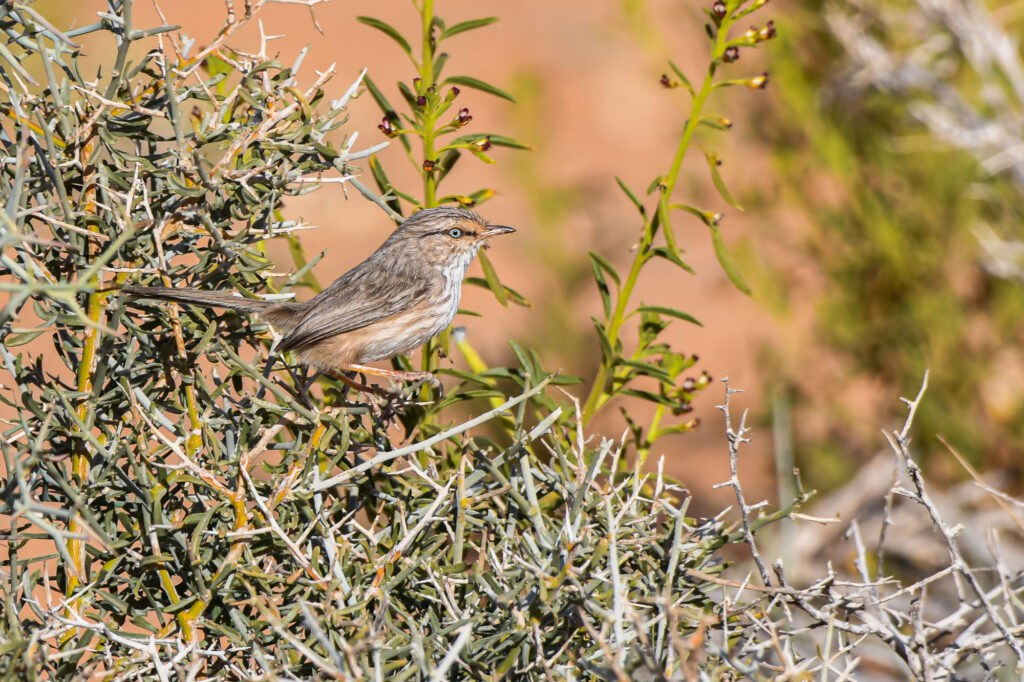
First, we visit a Todra gorge for Tristram’s Warbler, Black Wheatear, Blue Rock Thrush, Rock Dove, Crag Martin, and possible Bonelli’s Eagle! Next, we travel eastward and stop at a scrubby wadi to seek out the elusive Scrub Warbler, and may also be rewarded with a White-crowned Wheatear and a Trumpeter Finch. Finally, after another exciting stop, we arrive at our Desert Hotel for two nights.
Dinner and accommodation in Merzouga.
Day 5: Merzouga – Erg Chebbi Dunes – Rissani
Today we will dedicate the whole day to exploring the sandy dunes and the nearby stony desert of Erg Chebbi where we have excellent chances to see: Brown-necked Raven, Hoopoe Lark, Desert Sparrow, African Desert Warbler, Blue-cheeked Bee-eater, Desert Lark, Bar-tailed Lark, Fulvous Babbler, Spotted Sandgrouse, Crowned Sandgrouse, Lanner Falcon.
Dinner and accommodation in Merzouga.
Day 6: Merzouga – Tazzarine – Draa Valley – Anti Atlas Mountains – Ouarzazate
Transfer day from Merzouga to Ouarzazate. Drive through the Anti-Atlas Mountains, a series of rocky hills, cliffs, and deep gorges of volcanic formations. Roadside birding could produce plenty of White-crowned Wheatear and Southern Gray Shrikes.
Dinner and accommodation in Ouarzazate.
Day 7: Ouarzazate – Anti Atlas Mountains – Souss Valley – Taroudant – Agadir
A long drive to the west will take us over the Anti-Atlas mountains, into the Souss Valley, and on to Agadir. Initially, we will keep our eyes open for various larks by the roadside and for wheatears. In the Souss Valley, we could see Black crowned Tchagra, Laughing Dove, Cirl Bunting, Spanish Sparrow. Over the town of Taroudant, there may be Little and Pallid Swifts. Finally, after another exciting stop we arrive at our Hotel in Agadir for three nights.
Dinner and accommodation in Agadir
Day 8-9: Agadir – Sous Massa National Park – Oude Massa
The Atlantic Coast – An early start will get us to the Atlantic coast in time. The morning will be spent in the Sous Massa National Park. We will walk all along this important spot for the endangered Bald Ibis, one of the world’s rarest birds, with a significant bird population, and we will search the vegetation along the water’s edge for skulking Squacco Heron, while the distinctive call of Black-crowned Tchagras rings out from dense cover. Marbled Duck, Marsh Harrier, Osprey, Black-shouldered Kite, Glossy Ibis, Squacco and Purple Herons, Ruddy Shelduck, Plain Martin, and potentially Tawny Eagle are among the more easily observed birds. Savi’s, Western Olivaceous, and Moustached Warblers, Zitting Cisticola, Great Spotted Cuckoo, Pallid Swift, Red-rumped Swallow, Common Bulbul, and Spotless Starling are all possibilities.
After lunch, we will drive into the Souss valley’s semi-arid steppes, looking for Lesser Short-toed Lark, Cream-colored Courser, Stone Curlew, or Sandgrouse. Later in the afternoon, we’ll visit the Oued Sous, a lovely region known for waders, terns, and enormous flocks of roosting gulls such as Slender-billed, Audouin’s, and Mediterranean. Greater Flamingo, Zitting Cisticola, and Sardinian Warbler.
Dinner and accommodation in Agadir.
Day 10: Agadir – High Atlas Mountains – Marrakech
Transfer day from Agadir to Marrakech through the Atlas mountains with some birding stops en route. Late in the afternoon, we arrive to Marrakech. Free evening to visit the old quarter of Marrakech and the impressive Jema-el-fna square, which is an unbelievable experience for any visitor – snake charmers, water sellers, and spice stalls, plus the charm of bargaining in the Souk (OPTIONAL) and transfer to the airport where the trip ends.
NOTE: This is a flexible itinerary which may be adjusted to allow for changes in arrival and departure times, weather conditions.
Price
- 2500 EUR
What is included:
- Comfortable transport;
- 9 Nights hotel accommodation with Half-board;
- Guiding services and general assistance where and when required.
- Our best Morocco birdwatching tour includes breakfasts & dinners
What is not included:
- Flight Tickets;
- Lunches & drinks;
- Travel insurance;
- Items of a personal nature and tips;
MORE INFORMATION
By reserving this best Morocco birdwatching tour, you can enjoy a hassle-free experience. Our experienced local guide will provide you with informative commentary and insight about the birds and their habitats, making it an enriching and educational experience
Key species of the best Morocco Birdwatching tour:
Pharaoh Eagle Owl, Marbled Duck, Northern Bald Ibis, Egyptian Nightjar at daytime, Lanner Falcon, Long-legged Buzzard, Bonelli’s Eagle, Cream-coloured Courser, Spotted Sandgrouse, Crowned Sandgrouse, Laughing Dove, Little Swift, Blue-cheeked Bee-eater, Levaillant’s Green Woodpecker, Desert Lark, Bar-tailed Lark, Thick-billed Lark, Hoopoe Lark, Desert Wheatear, Desert Sparrow, Red-rumped Wheatear, Maghreb Wheatear, White-crowned Wheatear, Scrub Warbler, Tristram’s Warbler, African Desert Warbler, Saharan Olivaceous Warbler, Common Bulbul, Fulvous Babbler, Alpine Chough, Brown-necked Raven, Alpine Accentor, Trumpeter Finch, African Crimson-winged Finch, House Bunting, Temminck’s Lark, Atlas Horned Lark, Black-crowned Tchagra, Audouin’s Gulls,…etc!
Accommodation: We stay in a selection of comfortable hotels, all rooms are en-suite.
Food: All hotels provide a simple breakfast typical of Morocco, consisting of fresh bread, butter, honey, and jam. Fruit juice and tea or coffee are also available. For lunch, we will have picnic lunches when out in the field. Evening meals will be a mixture of local and international dishes.
Walking: This best Morocco birdwatching tour is not strenuous. Leisurely walking, very occasionally over moderately rough terrain, is the only physical requirement on most days. Most birding is done close to our vehicle, though we will need to walk to see mountain species, and some exertion will be required in mountain environments. There will be the option to stay close to the vehicle, should anyone wish to go back.
Questions about the best Morocco birdwatching tour?
Feel free to contact me using the form here
This tour is organised by Esenko Workshops.
Esenko Workshops is a trusted brand of Židana Marela d.o.o.
Chamber of Commerce and Industry of Slovenia
Licence 1134 for Tour Organiser
Licence 1135 for Tour Agent